



What Does the Check Engine Light Mean? Common Reasons and What To Do Next
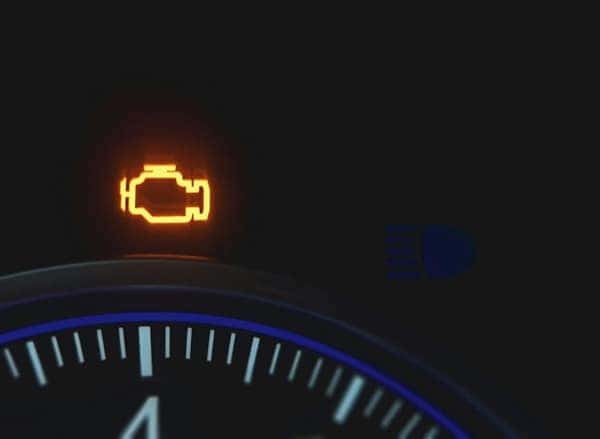 Modern vehicles have different sensors that let the driver know if anything goes wrong. They’re all highly useful, as they can help you notice a minor issue before it gets more serious, affects more components, and becomes much more expensive to fix. The most important light on your dashboard is probably your check engine light. Learning about why it may be on and what you should do if you see it can help you save time and money on expensive repairs.
What Is the Check Engine Light?
The check engine light is common to most modern vehicles and is part of the onboard diagnostics system. If the vehicle’s computer notices an irregularity with its electronic control system that it can’t automatically correct, it will trigger a warning indicator on your dashboard. The exact warning indicator that comes on depends on the part of the system that malfunctions. If it’s anything engine-related, the check engine light will probably come on. It’s usually yellow and shaped like an engine.
Besides the yellow light turning on, the vehicle’s computer will also generate a specific code that corresponds with the source of the problem. A technician can then use a diagnostic tool to read this code, giving them a basic description of the problem.
The Top Reasons Your Check Engine Light Could Be Activated
While the name “check engine light” is pretty self-explanatory and obviously indicates an issue with the car’s engine, this can mean a wide variety of potential issues. Below are some of the most common causes of your check engine light coming on.
Your Fuel Cap Is Loose
This is one of the most common reasons for the check engine sign coming on and the easiest to fix. Your fuel cap plays an important role, as it keeps gasoline vapors from escaping into the environment and prevents the gas in your tank from evaporating. If you notice the check engine light on your dashboard, the first thing you should check is your fuel cap, as maybe you haven’t screwed it properly the last time you put gas in.
You Have a Faulty Catalytic Converter
Your vehicle’s catalytic converter takes harmful particles from burning fuel and converts them into less harmful ones before releasing them into the environment. Getting this fixed is not only good for the environment but also for your car, as a faulty catalytic converter will result in lower performance and fuel efficiency. Also, a failing catalytic converter may result from a bigger problem, so you should have your car inspected by a professional as soon as possible to prevent further damage.
Your Battery Is Getting Old
An average car battery lasts between three and five years on average. Even before failing completely, it may not have enough energy to power your car’s electrical system. This can cause various issues with your car’s electrical features and is also a clear sign that the battery will soon die, preventing you from starting your car. While some vehicles have a separate dashboard light for their battery, the check engine light may still be triggered.
You Have an Issue With Your Oxygen Sensor
Your vehicle’s oxygen sensor is part of its emissions system and can detect various issues with your exhaust system. It may stop working correctly, which will cause an emissions issue that will trigger the check engine light. It may also provide faulty readings, even if the emissions system is running as it should. This may also cause the check engine light to come on.
Your Spark Plugs or Ignition Coils Aren’t Running Properly
Your spark plugs and ignition coils are vital components of your vehicle’s ignition system. If they do not work as they should, it will affect your vehicle’s performance and fuel efficiency. It’s one of the most common reasons your check engine light might come on.
There’s an Issue With Your Wiring System
Your car has a complex wiring system that helps the engine start, keeps it running afterward, and helps all electronic components run properly. Even a minor issue with a wire or loose connection can cause malfunctions and may trigger the check engine light.
Distinguishing Between a Flashing vs. Solid Check Engine Light
If the check engine light suddenly comes on, it’s usually not a major emergency, and you can drive your vehicle home and then to the service shop. If, however, you notice the check engine light blinking, it usually means that there’s a serious and urgent issue with your engine, and you should pull over as soon as it’s safe to do so. Failing to do so can result in a bigger issue and one that’s more expensive to repair. It’s usually a good idea to call a tow truck and take your car in to have it inspected.
Action Steps To Take When Your Check Engine Light Comes On
The first thing you should do if you notice your check engine light coming on is to check and see if you’re in luck and if the issue is easily fixable. You may notice strange vehicle behavior or an unpleasant odor, which can be signs that you have a minor issue and need to have your car inspected by a professional. Also, check the gas cap, as that may be the source of your problem.
If you don’t notice anything different about your car, you should schedule a visit to a repair shop. They have the tools and knowledge to properly diagnose your issue and will fix it before it affects other components.
Visit Our Service Center at Hyundai of Auburn
If you notice your check engine light coming on, consider visiting our service center here at Hyundai of Auburn. Our certified technicians will use modern diagnostic tools to figure out what the issue is, and we only use genuine original equipment manufacturer parts for any repair job we perform. You can be sure that your car will be properly fixed and back on the road in no time. Contact us today to schedule a service visit or give us a call at 334-321-0777.
Check engine light by Sigmund is licensed with Unsplash License
0 comment(s) so far on What Does the Check Engine Light Mean? Common Reasons and What To Do Next