



What Do I Do When My Radiator is Overheating?
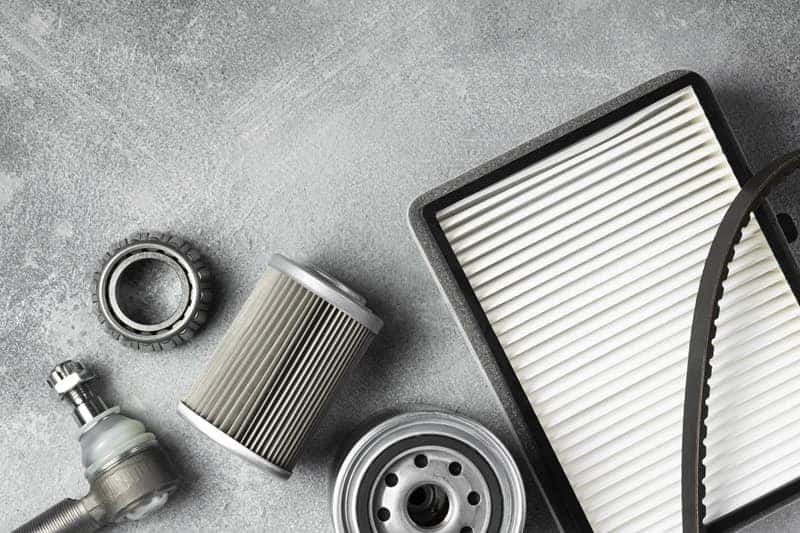
The last thing you want to see when you’re on the road is steam rising from your engine or your temperature gauge moving up. An overheating engine is a serious problem that you need to get checked out as soon as possible. Luckily, there are steps you can take to reduce the risk of your engine overheating and warning signs you can follow so that you act in time to avoid excessive damage. Our Hyundai service team has put together a step-by-step guide on what you should do to protect your vehicle and passengers.
Warning Signs of Radiator Problems and What To Do
You’ll be happy to hear that your engine won’t just overheat without warning. The key is being aware of what those warning signs are so that you can take steps to mitigate the problem. By responding quickly and getting your Hyundai to a reliable service center, you could save thousands of dollars in engine damage.
You may notice a strange sweet smell coming from your engine. This smell is typically leaking coolant, which is also known as antifreeze. If your coolant is leaking, chances are your engine will get hotter. So if you smell a leak, act quickly by taking your Venue or Tucson to a reliable Hyundai dealership to get the engine’s cooling system inspected. Don’t make the mistake of thinking that the overheating problem will take care of itself if you give it enough time. The worst thing you could do at this point is ignore the problem and continue on your way.
Another warning sign is if you see steam rising from the hood. This indicates that your engine is already extremely hot. You may also notice that the temperature gauge for your engine has moved towards the “H” or red area, which means your engine is heating up. In both of these scenarios, you don’t have much time to act. Pull off the road when you find a safe place to do so and let your engine cool down for 15 minutes. Always wait until the engine has cooled down before opening the hood, since you don’t want to get burned.
If you have coolant in your car, you should use it to top up your radiator once the engine has cooled down. It’s important to get your vehicle to the nearest repair shop as quickly as possible. If the temperature of your engine comes down, you can start your vehicle and try to drive to the service center, always keeping an eye on the temperature gauge. You should turn off the air conditioning to reduce strain on the engine and turn up the heat to divert as much heat as possible into the cabin and away from the engine.
In case the overheating problem makes it impossible for you to drive further, you’ll have to arrange to get your vehicle towed. This is a better option than trying to drive with an overheating engine, because you can cause serious and potentially irreparable damage to your Hyundai.
Why Are Coolant and Antifreeze Important?
Your vehicle’s engine cooling system works by circulating coolant through a series of hoses to keep the components at a safe temperature. Engine components are among the most expensive parts of your car to replace, so it’s critical to ensure that they’re well-protected. Various things can go wrong with your cooling system, including leaks from hoses or seals, and coolant getting contaminated. Contamination can come from car parts as they wear out or from debris that makes its way into the coolant system from outside.
As a result, it’s important to have the cooling system inspected as part of your ongoing maintenance regimen. If you regularly stop by to have your Hyundai maintained at our service center, one of our professional technicians can perform this examination as part of a multi-point inspection during your visit. Replacing a hose or topping up your coolant when necessary is much more affordable than paying to repair a damaged engine due to overheating.
Regular Hyundai Servicing Keeps Your Vehicle Running Smoothly
Another bonus to having your cooling system regularly inspected is that we know when it’s time to replace your coolant. Each vehicle has its own schedule for this process, but it’s typically due after a year or two of driving. This process involves flushing the coolant and inspecting the cooling system thoroughly before filling up the reservoir with fresh coolant. Sticking to the recommended intervals can help prevent your vehicle from relying on contaminated coolant, which is less effective and can cause serious damage to the cooling system.
We can take care of many other important maintenance tasks at the same time to help keep your crossover or truck running smoothly. Engine oil changes, tire rotations, and brake pad inspections are all key maintenance tasks that shouldn’t be postponed. They can make all the difference between a fuel-efficient vehicle that handles well and responds as it should in an emergency, and a car that develops engine problems and is more prone to accidents. It’s easy to reserve a maintenance appointment to fit your schedule using our online booking tool.
Taken together, these steps are often called preventative maintenance, as the goal is to identify problems before they get serious or before the problem even exists. The end result is that you can focus more on driving your car and enjoying yourself, and less on dealing with issues like an overheating engine or a coolant leak that can be prevented with the necessary care.
Reserve a Maintenance Appointment at Hyundai of Auburn Today
Our service team at Hyundai of Auburn consists of highly trained professionals. We’re familiar with all vehicles in the Hyundai lineup and how to maintain them. That’s why you can depend on us to keep your engine and its cooling system operating at their best. Feel free to swing by our service center so we can get the job done or give us a call at 334-321-0777. We only use high-quality OEM parts when carrying out maintenance, ensuring the best and most durable performance for the months and years ahead. Feel free to reach out with any questions you may have.
Image by Freepik
0 comment(s) so far on What Do I Do When My Radiator is Overheating?