



Hyundai Venue Maintenance Schedule: Keep Your Ride in Top Shape
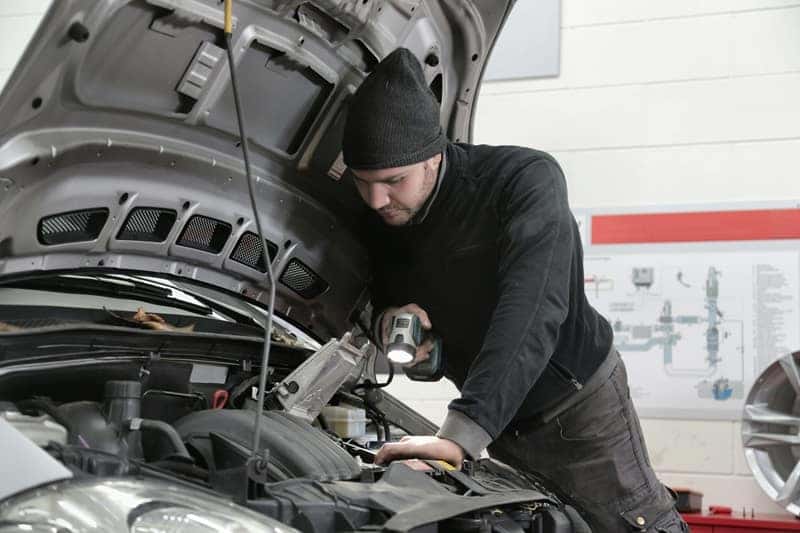 The Hyundai Venue, known for its compact yet versatile design, has quickly become a favorite among urban drivers. Its blend of style, efficiency, and smart technology makes it stand out in the subcompact SUV market. For your Hyundai Venue to maintain peak performance and longevity, regular maintenance is crucial. Following the recommended maintenance schedule for a Hyundai Venue will help to keep it running smoothly.
The Importance of a Regular Maintenance Schedule
Adhering to the Hyundai servicing schedule offers many benefits, including:
- Improved performance: Regular maintenance helps your vehicle maintain optimal performance by enhancing responsiveness and efficiency.
- Better fuel efficiency: Properly maintained vehicles use fuel more efficiently, which saves you money at the gas pump.
- Greater safety: Ensuring all parts and systems function properly can prevent accidents and breakdowns, keeping you and your passengers safe.
Neglecting regular maintenance can lead to costly repairs and potential safety hazards. Following your vehicle’s recommended Hyundai service schedule helps maintain your warranty coverage, offering you peace of mind and financial protection.
Key Maintenance Areas for the Hyundai Venue
The Hyundai Venue maintenance schedule outlines specific tasks and intervals:
| Mileage Interval | Maintenance Tasks |
|---|---|
| Every 7,500 miles | Engine oil and filter change, tire rotation, brake inspection |
| Every 15,000 miles | Wiper blade replacement, fuel and oil additive installation, multipoint inspection |
| Every 30,000 miles | Engine air filter replacement, engine cooling system service, and transmission fluid check |
Engine Oil and Filter Changes
The engine oil is the lifeblood of your Hyundai Venue, so keep it fresh. Hyundai recommends changing the engine oil and air filter every 3,000 miles or three months, whichever comes first. Use the proper oil type, typically 5W-20 or 5W-30, for optimal engine performance. If you notice the oil is dark and thick, it’s likely time for a change. Regular oil changes prevent engine wear and extend your vehicle’s life.
Tire Rotation and Pressure Checks
You should consider tire rotation as recommended every 7,500 miles or at every Hyundai service interval to promote even tire wear and extend their life span. Proper tire pressure, usually around 33 PSI, enhances fuel efficiency.
Brake Inspection and Maintenance
Brakes are critical for safety, and regular inspections can prevent potential issues. The Hyundai servicing schedule suggests inspecting your brakes at every service interval, starting at 7,500 miles. Look for signs of wear, such as squeaking or grinding noises, and ensure you top up the brake fluid and that it’s in good condition.
Battery Check-up and Replacement
A reliable battery is essential for your car’s operation. Inspect your battery at least twice a year or every 6,000 miles. Signs of a weak battery include dim headlights, slow engine start, and electrical issues. A car battery typically lasts three to five years, so consider a replacement if your Venue’s battery is approaching this age.
Safety Checks and Routine Inspections
Regular safety checks are crucial for identifying potential issues early on. Key areas include:
- Lights (headlights, brake lights, turn signals)
- Windshield wipers
- Horn functionality
Additionally, you should perform visual inspections for any leaks or visible damage.
Brake System Evaluation
Comprehensive brake system evaluations should include:
- Checking brake pads and rotors for wear
- Inspecting brake lines and hoses
- Assessing brake fluid level and quality
Timely brake maintenance is crucial for safety and helps you avoid more costly repairs.
Lighting and Electrical Systems Check
Consistent checks of your vehicle’s lighting and electrical systems ensure all components function correctly. This includes:
- Headlights and taillights
- Interior lights
- Battery and alternator testing
Common electrical issues in the Hyundai Venue are often related to battery or alternator problems, making regular inspections important.
Fluid Levels and Quality Assessment
Maintaining proper fluid levels is vital for your vehicle. Regularly check the following fluids:
- Engine oil
- Coolant
- Brake fluid
- Power steering fluid
- Transmission fluid
Get each fluid checked for level and quality and replaced per the maintenance schedule — typically every 30,000 miles or as specified in the owner’s manual.
The Importance of Maintaining Your Hyundai Venue
Following the Hyundai recommended maintenance schedule provides you with long-term benefits, including:
- Enhanced vehicle longevity and reliability
- Improved resale value
- Reduced overall maintenance costs compared to sporadic or emergency repairs
Finding the Right Service Provider
Choose a qualified Hyundai service provider so your Venue receives the best care. At Hyundai of Auburn, we offer expert service with certified technicians familiar with your vehicle’s needs. Schedule your service with us online or call 334-321-0777 to keep your car running smoothly for years to come and enjoy:
- Genuine Hyundai parts
- Expert maintenance and repairs
- Convenient online service scheduling
Hyundai Venue Maintenance Frequently Asked Questions
How Often Should I Service My Hyundai Venue?
Hyundai recommends servicing your Venue every 3,000 miles or three months, whichever comes first. Following this schedule ensures all critical systems and components get checked and maintained.
What Type of Oil Should I Use for My Hyundai Venue?
The recommended oil types for the Hyundai Venue are typically 5W-20 or 5W-30. Refer to your owner’s manual or consult with our service center in Auburn, Alabama, for specific recommendations based on your driving conditions.
How Can I Check My Tire Pressure?
Use a reliable tire pressure gauge to check each tire’s pressure. The recommended pressure for the Hyundai Venue is generally around 33 PSI. Regular checks can prevent uneven wear and improve fuel efficiency.
What Are Signs That My Brakes Need Servicing?
Common signs include squeaking, grinding noises, vibrations, or a spongy brake pedal. If you notice any of these symptoms, have your brakes inspected and serviced promptly.
How Do I Know When My Battery Needs Replacing?
Signs of a weak battery include dim headlights, slow engine start, and electrical issues. Most car batteries last three to five years, and regular inspections can help you determine when to replace the battery.
Schedule Your Hyundai Venue Maintenance Today
Regular maintenance is essential for keeping your Hyundai Venue performing at its best. By following Hyundai’s recommended maintenance schedule and choosing our team at Hyundai of Auburn, you’ll enjoy a safe and reliable driving experience. Contact us today to learn how we can help keep your Hyundai Venue in top shape.
Man in Black Jacket and Black Knit Cap Inspecting Car Engine by Andrea Piacquadio is licensed with Pexels License.
0 comment(s) so far on Hyundai Venue Maintenance Schedule: Keep Your Ride in Top Shape